12 Strange Names for Baby Animals
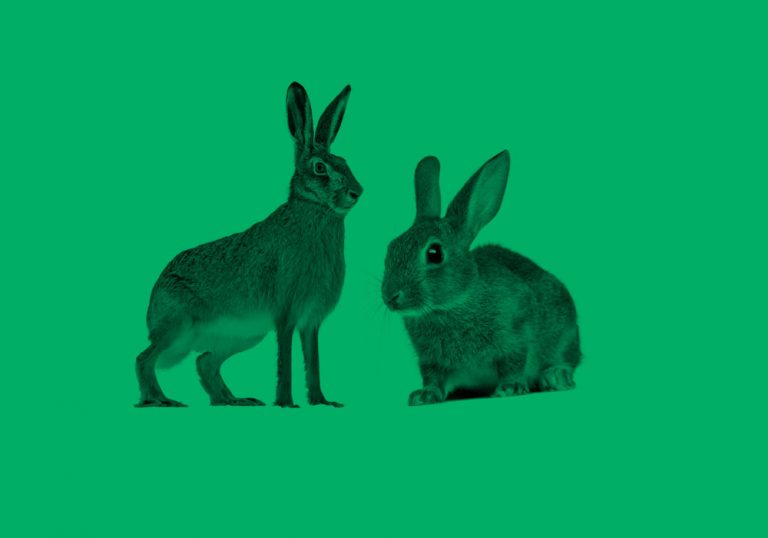
From leveret to polliwog, the English language is full of oddly specific names for baby animals — some adorable, some downright bizarre. These curious terms may sound made up, but each one has a long history tied to the creatures they describe.
Leveret
A leveret is a young hare, especially one that is less than a year old. The word is a diminutive or “small version” of the Norman French levre for “hare.” The addition of the suffix -et denotes that the hare is young or small.
Polliwog
A polliwog is a young frog or tadpole that has not yet grown legs. The word is derived from the Old English polwygle with pol meaning “head” and wygle meaning “wiggle.” Idiomatically, a tadpole is a “wiggling head.” In mariner slang, polliwog can also refer to a sailor who has not yet crossed the equator.
Kid
A kid is a baby goat or antelope, though the word may also refer to leather made from goat hide. You might recognize the phrase to handle with kid gloves, meaning “to handle with care.” The first recorded usage of kid as slang for “child” was in 1599, and the verb form to kid (meaning “to joke”) entered the vernacular in 1839.
Smolt
A smolt is a young salmon in the midst of its first migration from fresh water into the sea. The word is of Scottish origin, though it grew to prominence in Middle English. Smolt may be related to smelt (one of many silvery fishes that prefer cold northern waters) because salmon in this young stage resemble the smelt fish.
Hatchling
A hatchling is a young alligator, bird, reptile, or fish recently emerged from an egg. The word is relatively new — hatchling slipped into common usage in 1900, but the first documented “hatchery” for birds operated under that name in 1880. The word originates from the Old English heaccan meaning “to produce young from eggs.”
Fledgling
A fledgling is any young bird that has recently grown the feathers it needs in order to fly. In other words, a fledgling is a young bird that is ready to leave the nest. In common usage, a fledgling can be any inexperienced person or someone newly entering a profession.
Shoat
A shoat is a young pig that has recently been weaned off of its mother’s milk and onto solid food. The more familiar piglet simply refers to any young pig — no specific knowledge of its weaning status required.
Spat
The word spat refers to the spawn of an oyster or similar shellfish, young oysters collectively, or a single baby oyster. Spat is also the past tense of “to spit,” and in American English a spat is a petty argument or quarrel.
Nymph
If you’re picturing the beautiful demigoddesses of ancient Greece and Rome, you’re only half right. A nymph is also the young of any insect that undergoes incomplete metamorphosis, like grasshoppers, termites, ticks, and cockroaches. Nymphs are born with many of the characteristics they will carry into adulthood, unlike moths and butterflies, which undergo a full metamorphosis, liquefying and reforming with wings in the pupal stage.
Eyas
An eyas is a young nestling hawk or falcon, though the word can also indicate a young hawk that has been taken from its nest so that it can be trained for hunting. In Medieval and Renaissance Europe, hawks and falcons were esteemed hunters, and the practice of training the birds was known as “falconry” or “hawking.” Eyas is a variant of nyas from the Middle French niais meaning “nestling.”
Whelp
A whelp is the young of a tiger, lion, wolf, bear, or dog. Today, whelp can also be slang for an obstinate or overly vivacious child, akin to “brat” or “whippersnapper.” Early forms of the word appear in Old English as hwelp, Old Norse as hvelpr, and Old High German as hwelf, but all of them seem to relate to “the young of a dog.”
Cygnet
A cygnet is a young swan. The word comes from the Latin cygnus meaning “swan” plus the diminutive suffix “-et.” The more common English word swan stems from the Old Norse word svanr and its related German equivalent Schwan.
