British Terms That Flummox Americans
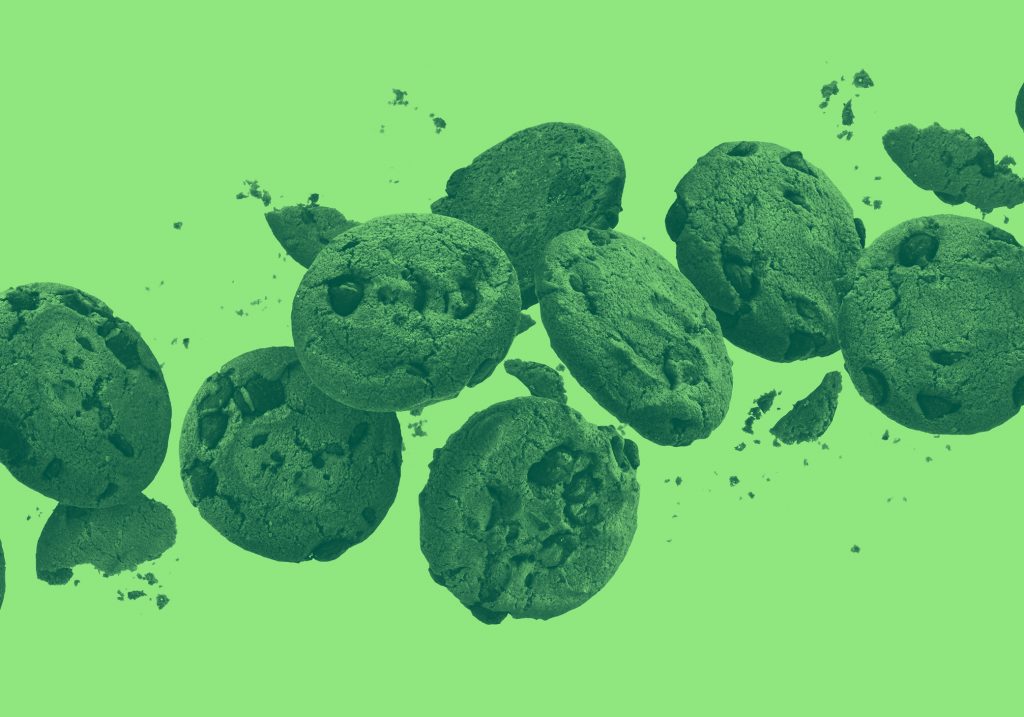
From jumpers to biscuits, certain British terms can leave Americans flummoxed. Here are a few everyday expressions from across the pond and the American terms they correspond to.
Biscuit
When many of us think of biscuits, we think of soft, flaky baked buns lathered in butter or gravy. But U.S. taste buds be warned: In British English, the word biscuit, also known as a digestive biscuit, or sometimes just a digestive, refers to what we might call a “cookie” or “cracker.” In our Thesaurus, we list it as both a cookie and a cracker, so you can find the perfect synonym wherever you are. The word derives from the Latin biscoctum panem, which means “twice-baked bread.”
Saloon
When many of us hear the word saloon, we think of an old-timey bar with large swinging doors and ragtime music playing in the background. But in the UK, if you ask to be taken to a saloon, you might be guided to what we in the States refer to as a sedan — a car that seats four or five people. If this outcome is disappointing, remember it’s the perfect opportunity to ask for a ride to the pub.
Pants
Proceed with caution when disclosing any information regarding your pants to a Brit because in British English, the word pants means “underpants.” If you must discuss the heavenly breathability or superior fabric grade of your new slacks, consider using the term trousers to ensure it translates accurately.
Jumper
For an article of clothing, the word jumper in the U.S. refers to a simple, sleeveless dress commonly worn over a shirt or blouse. But in the UK, a jumper is what Americans would call a “sweater.” This sense of the word can be traced back to the now-obsolete definition of jump as a short coat worn by men in the 17th and 18th centuries.
Agony Aunt
The term agony aunt may conjure a family member who pinches her relatives’ cheeks a little too hard or gossips about their marriage prospects (or lack thereof). But in the UK, this term refers to an editor of an “agony column,” or what U.S. readers might know as an “advice column.” From a British perspective, the writers of Dear Abby and Ask Ann Landers are examples of agony aunts.
Braces
For many of us, the word braces conjures middle-school memories of metal-clad mouths and trips to the orthodontist. For the Brits, braces can also refer to suspenders, as in straps that hold up trousers. Both of these meanings can be traced back to the Old French word brace or braz, meaning “arms,” and its verb form bracier, meaning “to embrace or to render firmly or steady by tensing.”
Boot and Bonnet
Boots and bonnets are not items that Americans commonly associate with cars, but in the UK, boot refers to a car’s trunk, and bonnet refers to its hood. Be it with boots, bonnets, or hoods, it’s clear that people like to dress their cars in clothing terminology on both sides of the pond.
Pudding
If you want what we in the States know as pudding — a soft, thick custardy treat — while traveling in Great Britain, you might have to get more specific with your terminology. Across the pond, pudding can refer to any sort of dessert course or to a stuffed entrail or sausage.
